Sustainability Is a System, Not a Slogan
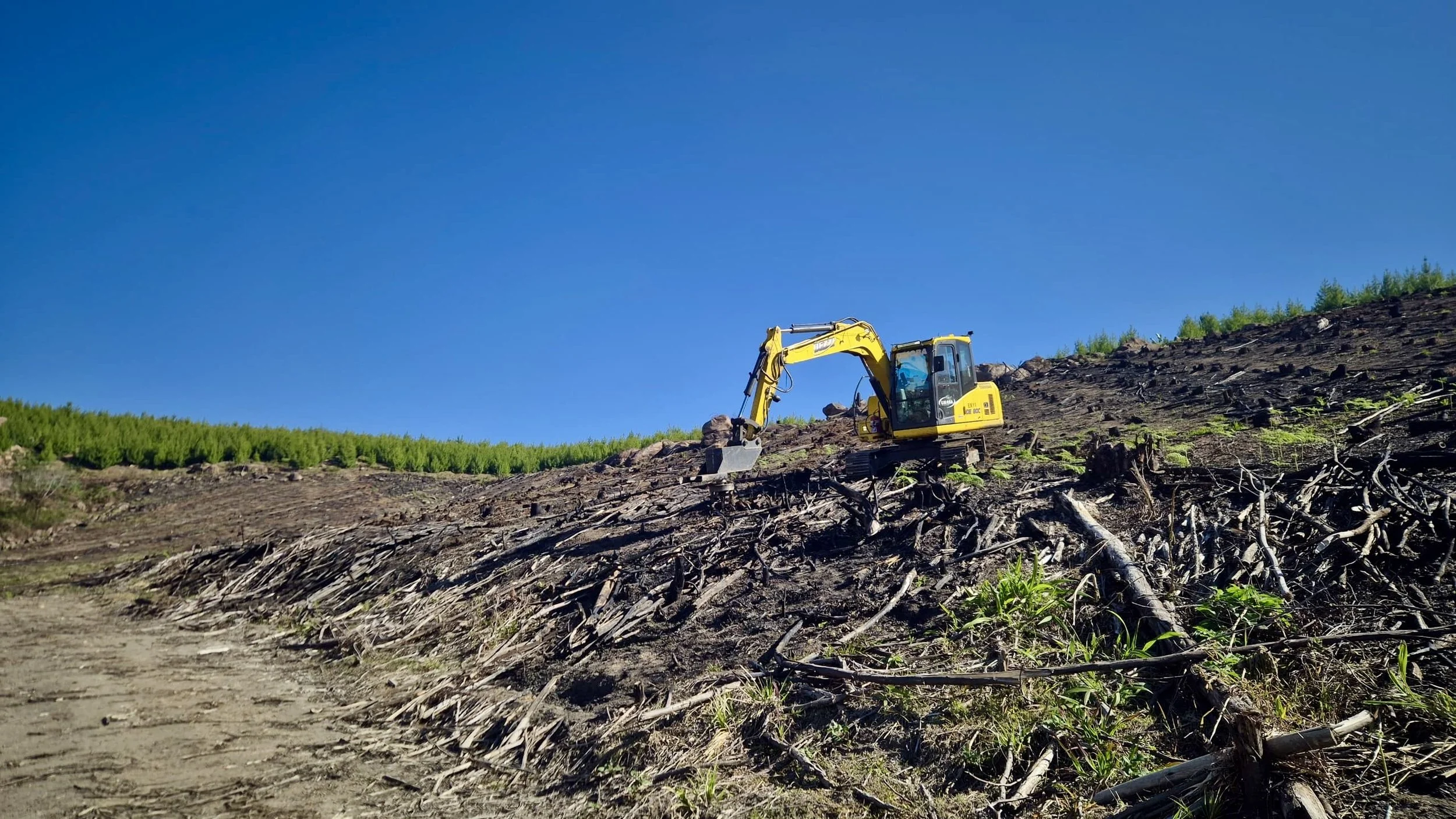
In Eswatini, where rural access, forestry operations, agricultural productivity and community movement are deeply connected, the way work is done matters as much as the work itself. A road that is badly shaped will not last. A drain that is ignored will fail when the rain comes. A machine that is poorly maintained will use more resources, break down more often and delay the entire operation. A team that does not communicate properly will waste time, material and effort.
Read More
BEHIND EVERY HECTARE
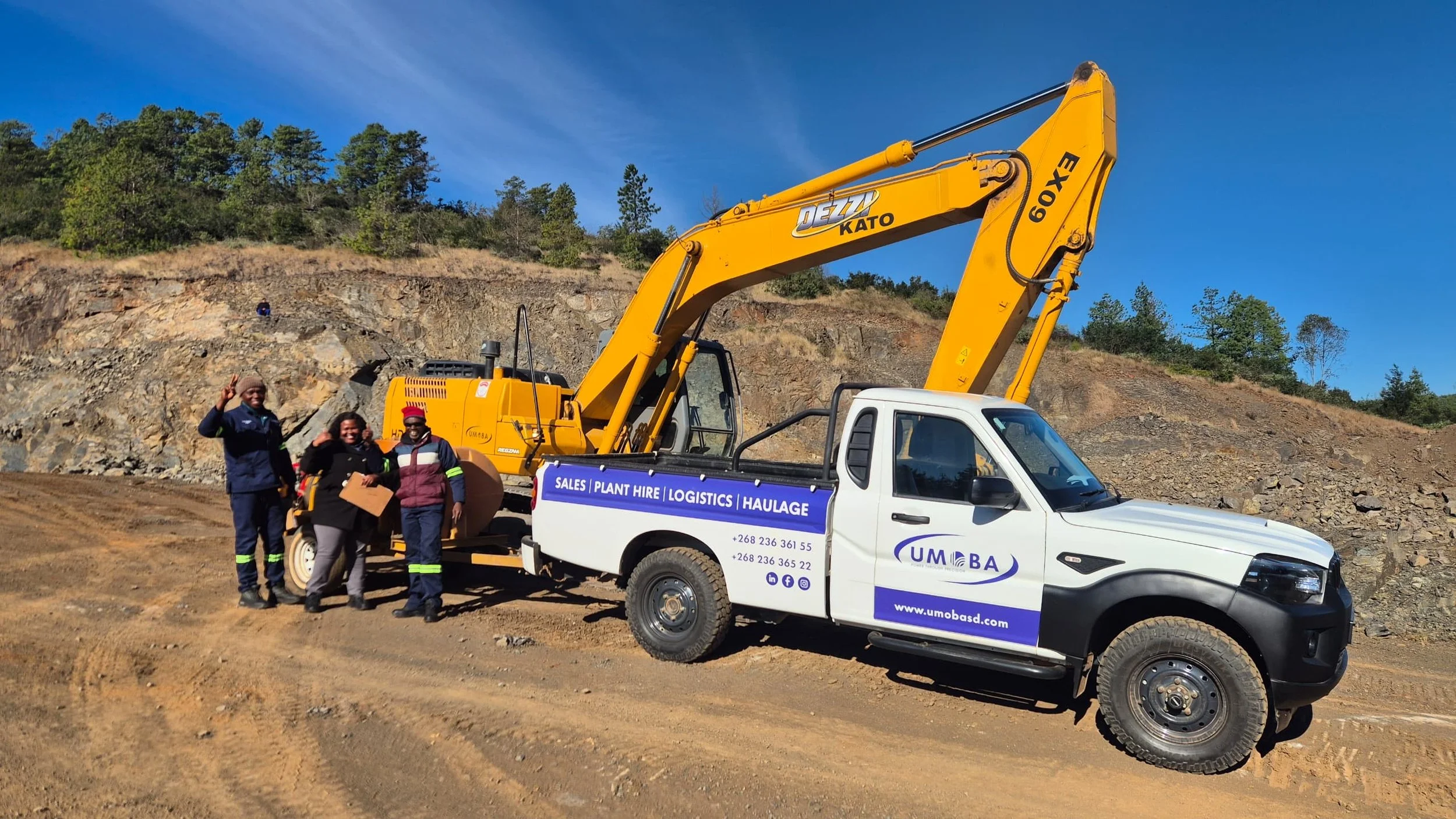
In agriculture and contracting, the work may look like it belongs to the machine. A tractor, grader, disc, ripper or harvester often becomes the most visible part of the job. But behind every machine is a team. Behind every completed field, cleared area, maintained road or successful harvesting operation are people who have communicated, planned and worked together long before the first tyre touched the soil.
Read More
The Future of Construction Equipment: Smarter, More Efficient Machines
In construction across Southern Africa, something fundamental is shifting. It is not only the scale of infrastructure projects or the growing demand for machinery, but the machines themselves that are changing. Excavators, loaders, and backhoe units are no longer defined purely by raw mechanical power. Increasingly, they are defined by intelligence, efficiency, and the ability to manage performance in real time.
Read More
Bigger Isn't Better
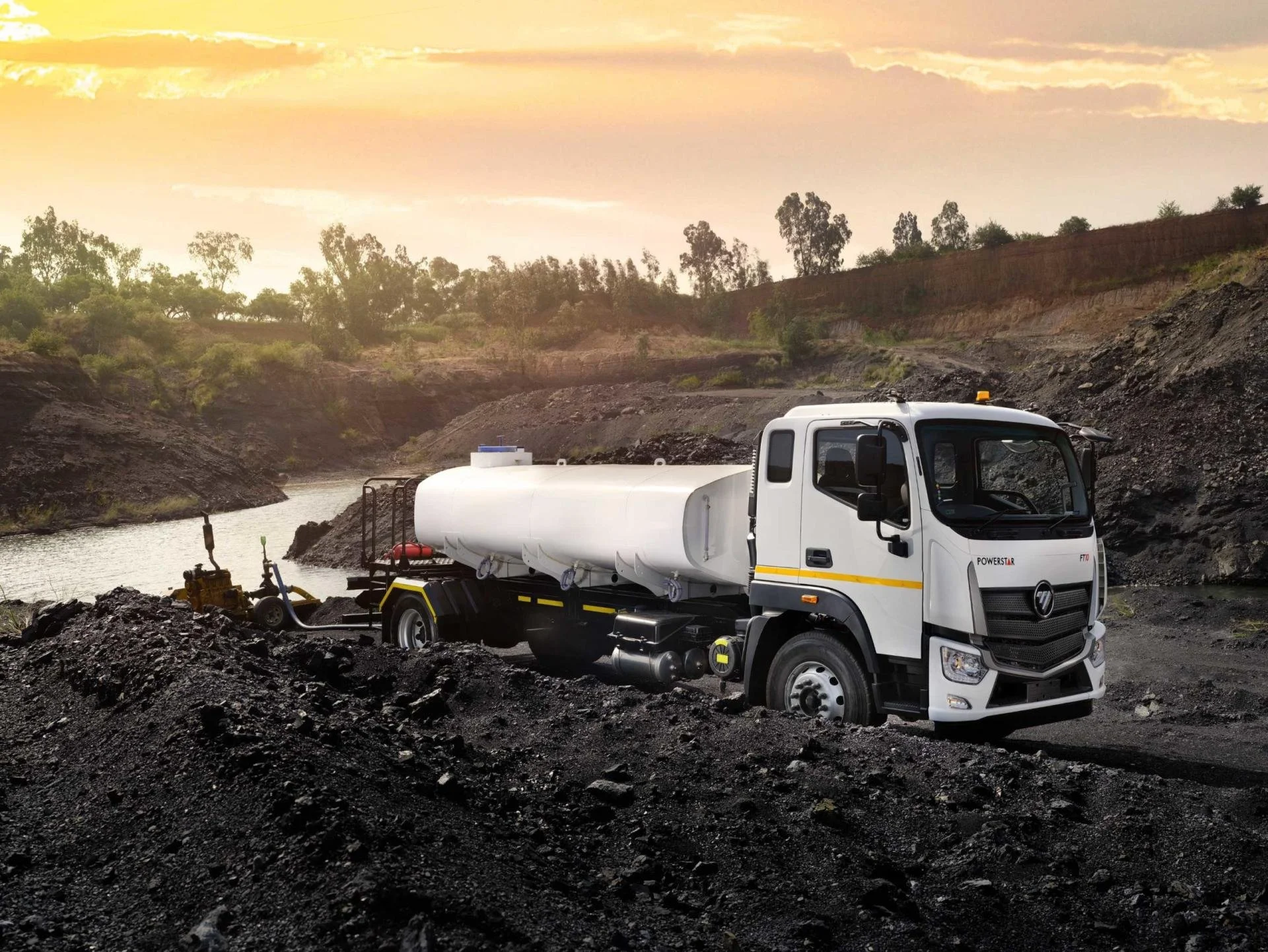
Choosing the right equipment is not about buying the biggest machine available. It is about understanding how that machine fits into the realities of your work. Terrain, workflow, scale, and reliability matter far more than raw power. A high-capacity machine in the wrong environment quickly becomes inefficient. In contrast, the right machine—properly matched to the job—creates flow, consistency, and long-term value.
Read More